The Consent Argument for Antinatalism
By Nume for Nume's Blog on
A philosophy of non-consensual creation
Antinatalism is a family of ethical views that question whether bringing sentient beings into existence can be justified. This essay focuses on one argument within that family: the consent argument.
The claim is direct: no one can justifiably choose to bring sentient beings into existence without consent.
It does not settle every question about future beings, but it identifies the consent problem at the center of creating a sentient being who cannot agree to be created.
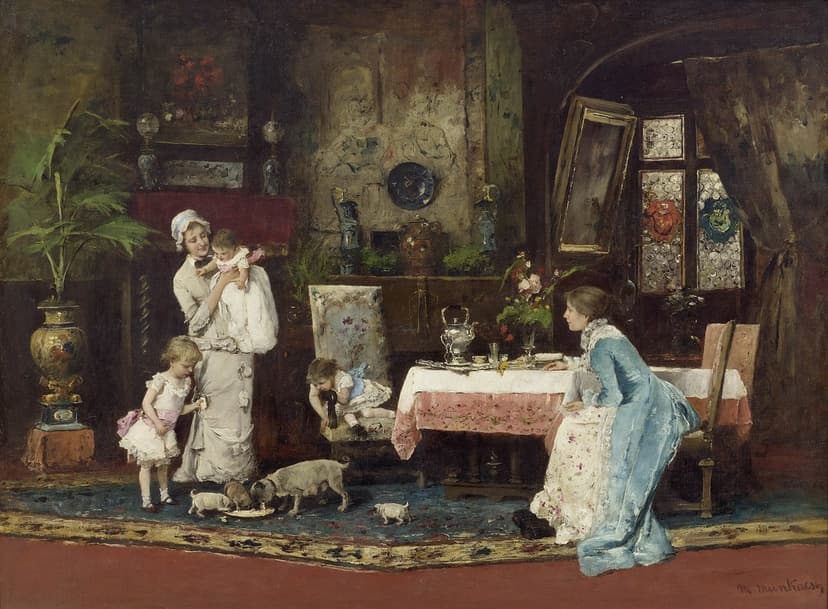
To create a sentient being is to place someone into existence before they can agree to exist. They may suffer or flourish, love their life or wish it had never begun. But none of that changes the structure of the original act: someone else chose existence on their behalf.
Creation and consent
A sentient being cannot consent to being created before they exist. If consent cannot be obtained, creation lacks authorization.
The impossibility of asking does not create permission. It forecloses permission.
When an existing subject cannot consent, we can sometimes ask whether an action protects or serves interests they already have. Creation is different: choosing not to create does not leave a sentient being unprotected from harm, because there is no subject there to be deprived.
There is no prior subject whose interests are served by being created. The act itself produces the subject who must then live the condition.
Hypothetical consent cannot supply authorization. It reconstructs what a subject might have chosen, but before creation there is no subject whose preferences could ground that reconstruction.
This is why the burden of justification falls on the one who would create. Not creating does not impose a condition on a subject. Creating does.
This claim does not depend on proving that every life is miserable. The central question is not whether life can contain good things. It can. The question is whether anyone can justifiably impose life at all.
Many people are glad to be alive. Their gratitude should not be dismissed. Some people love their lives and feel that birth made every meaningful experience possible.
But consent and gratitude do different kinds of moral work. Consent is prospective; it must authorize an act before it is done. Gratitude is retrospective; it can only arise after the life has already begun. It is the difference between choosing to enter a condition and learning to value it once it is already yours.
Sentience, not species
The argument uses sentience as its boundary because consent is at stake wherever existence can be experienced from the inside.
Sentience is the capacity for subjective experience: to suffer, enjoy, or be affected from one’s own point of view.
For that reason, this argument cannot be limited to humans. It applies wherever sentient beings are deliberately brought into existence. Human reproduction is one case. Animal breeding is another.
Animals deliberately bred into existence are also subjects of experience. They do not first exist as beings whose interests are protected by breeding them. Breeding produces the beings who will then have interests and experiences of their own.
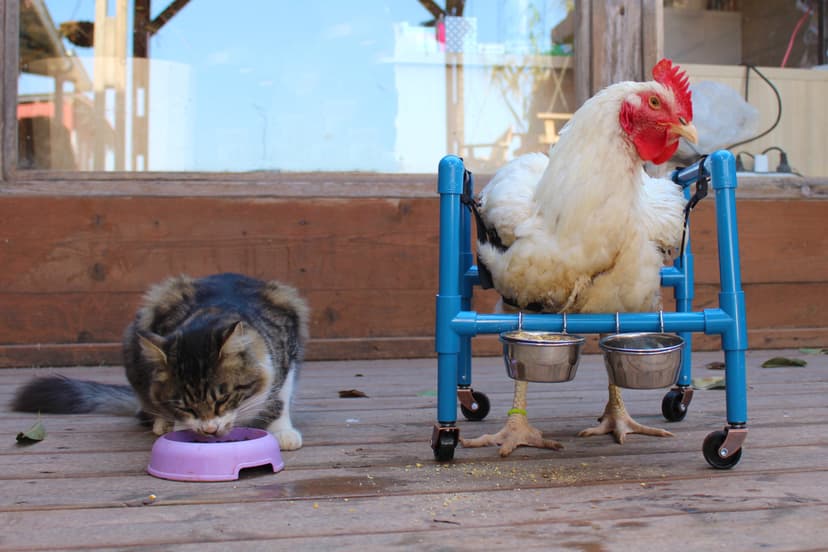

The point is not that animals are identical to humans in every respect. The point is that sentient animals are beings for whom existence can matter from the inside. To breed them is to choose existence on their behalf.
The relevant boundary is not species membership, intelligence, language, or social status. If a being can experience its own existence, then creating that being without consent is morally significant.
What the consent argument does not imply
Because antinatalism touches on birth and family, it is often confused with positions this argument does not require.
It is not hatred of children or parents. Children are not the targets of antinatalist criticism; they are among the clearest examples of beings placed into existence without consent. Parents are not monsters for living in a world where human reproduction is treated as normal and beyond serious ethical doubt. The argument criticizes the act, not the person.
It is not suicide advocacy or harm toward existing beings. Preferring not to have been created is different from believing that existing beings should die. Creation and continuation are different moral questions. Existing beings are not the target of this argument; they are the beings whose vulnerability makes non-consensual creation morally serious in the first place.
It is not eugenics, and it is not reproductive coercion. The question is not which beings should be created; it is whether creating sentient beings can be justified without consent. The answer does not change according to any characteristic of the being created. And if unauthorized imposition is the wrong, forced reproductive intervention cannot be the answer: it imposes another condition without consent.
Conclusion
The difficulty of the consent argument is that it changes the point of view from which creation is judged. The ordinary story centers on the one who creates: their love and hope. This argument asks what the same act looks like from the side of the one who must live what was chosen.
The question left behind is not whether that life can later be loved. It is whether love or hope can justify making existence someone else’s condition before they can agree to receive it.