When Support Becomes Supply
By Nume for Nume's Blog on
A short companion to No One Is Infrastructure
About a six-minute read
When does support become supply?
Most of what gets called help is help. The friend who arrives when someone is ill. The hands that do the cooking and the listening and the waiting. The parent who spends a week around a child's fever. These arrangements run on the fact that we are useful to each other, and the usefulness is not the problem.
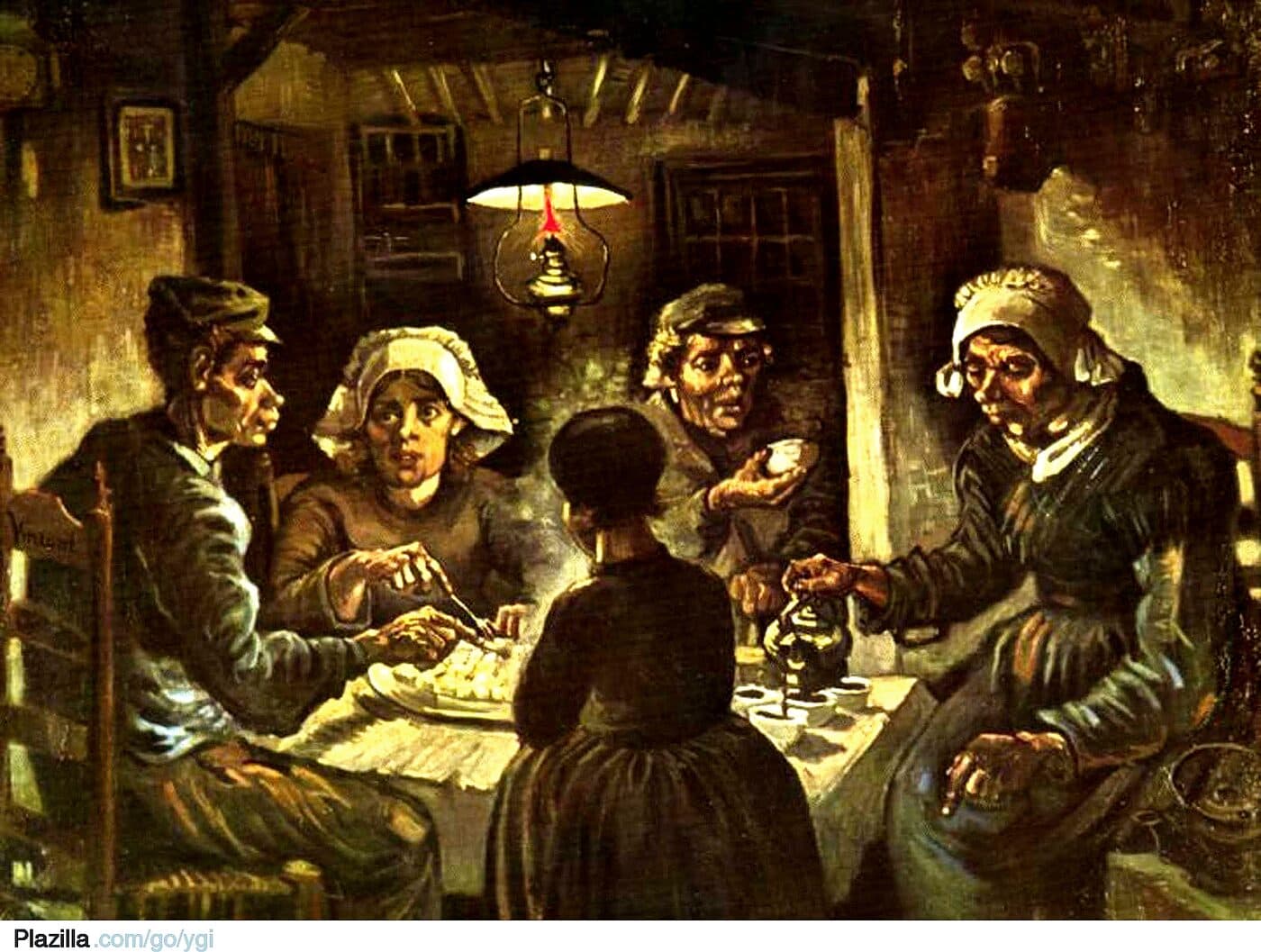
The problem arrives somewhere else. It arrives when a living subject is arranged as support for a project that does not genuinely answer to their good and standing as someone in their own right. A person becomes labour to consume, a body assigned a purpose, a future taxpayer waiting to be born. An animal becomes property whose value lies in what can be taken from her.
Being needed is not the wrong. Being made for use is.
The phrase no one is infrastructure compresses the distinction. By no one I mean any being who can feel, suffer, want, or fear. By infrastructure I mean support material for someone else's project — held in place for it, whether or not it gets worn out in the process. And by standing I mean a plain status: being someone to whom what is done must answer, rather than a place where good and harm merely register.
That third one is doing the work, so it is worth being slow about. Two arrangements can take exactly the same amount from a being and differ completely, because in one her own good can move what happens to her and in the other it cannot. Standing is the name for what she has in the first case. It is not a feeling and not a quantity of welfare; it is a status — being someone the arrangement has to answer to when her interests and its purposes come apart, rather than a place where the costs of it land.
Two questions that must not be confused
The longer essay follows two wrongs that share a structure and are not the same.
The first concerns bringing someone into existence. Optional procreation creates a person who will face need and attachment, illness and loss, the social order they inherit and their own death — and, eventually, the task of making sense of an existence they never asked for. Before that person exists, there is no one to whom the act could first answer.
This is not the simple claim that nobody consented to being born. Many justified acts cannot receive prior consent. The deeper question is whether creating a person can be justified to that person when the act creates the very one it would need to answer to.
Some readers will reject this framing — understanding birth instead as gift, as natality, as the commencing of new life, not as something that must first answer to its addressee at all. That refusal goes deeper than any objection I can answer from inside, and I say so there.
The longer essay does take the further step from cannot be settled to should not be done, and it names what the step turns on: that no one may optionally begin an unchosen, high-stakes exposure that cannot be settled in advance in the name of the one exposed. That premise is defended there rather than derived, which means a reader can decline it — and declining it leaves everything on this page about being made for use exactly where it stands.
The second wrong concerns making someone useful to a project. A child may be conceived as the continuation of a lineage or the answer to an institution's need. An animal is bred into ownership. A worker is reduced to labour supply. A casualty is treated as fuel for a cause.
The two questions can converge, but they must not be confused. A child created in hope of their own flourishing is not thereby supply for lineage, nation, religion, or economy. The originating question still stands; the structural one does not automatically apply.
The clearest case
The clearest case of being made for use is animal agriculture.
A farmed animal is not merely treated badly or treated well. She is bred into ownership. Her body is assigned a purpose before she can express one of her own — milk, eggs, flesh, offspring, profit — and her reproduction and family bonds are governed by that purpose. Her death is included in the model before she is born.
Improving her treatment matters. Less fear and less pain are real moral gains for a being who can suffer.
But better treatment does not change what the relation is. She remains property, available to be sold, replaced, or killed when her usefulness ends.
Someone will ask who is wronged if she is content throughout and dies without fear. It is a fair question and it has an answer. The wrong is not a feeling she has. Her good can move a great deal: it is why the analgesia, the later weaning, the straw. What it cannot move is whether the use happens at all. Her wanting to go on and her bond with her calf can adjust how she is kept and can never reach the question of whether she is kept, bred and killed — and where the two come apart, the purpose decides, every time, by design. A being can be comfortable and still have no standing in the arrangement she lives inside.
The relation is not a difficult version of care. It is constituted by ownership.
The question is not only whether a being is treated gently. It is what the relation treats her as being for.
The conclusion I reach in the longer essay is therefore abolitionist: sentient beings should not be bred into property, however gently they are kept while they remain so.
Where the pattern returns
These examples are not morally interchangeable. A child is not a farmed animal. A parent is not a farmer. A worker is not a prisoner. A caregiver is not a political casualty. Their histories and harms and remedies differ. What returns is the pattern: a subject made to carry a project that does not answer to them.
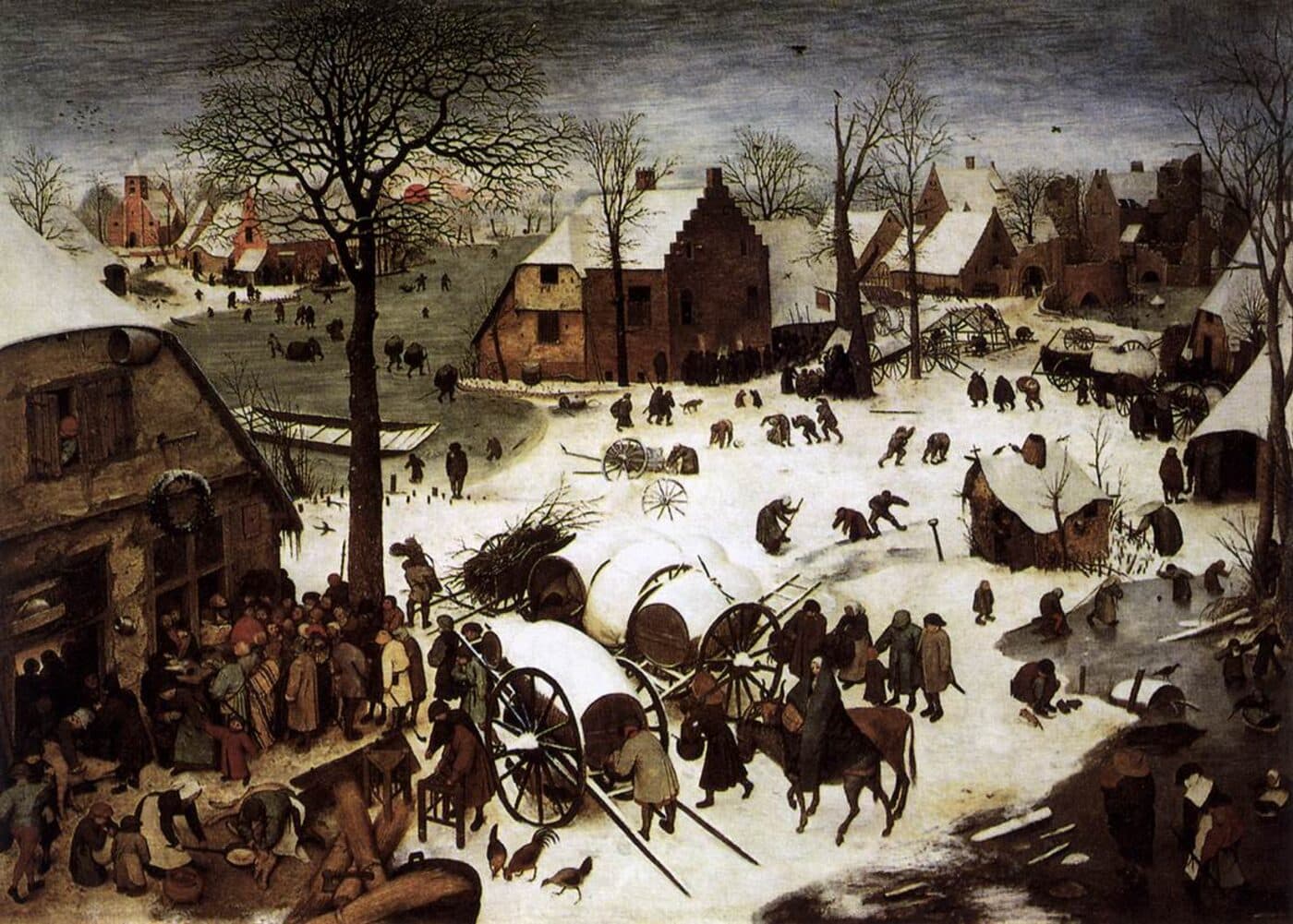
When a society announces that it needs more children — for pensions, for labour markets, for national continuity — a future person is being imagined as a solution before they exist as a subject. In the longer essay: "The economy does not mourn the unborn. It forecasts them."
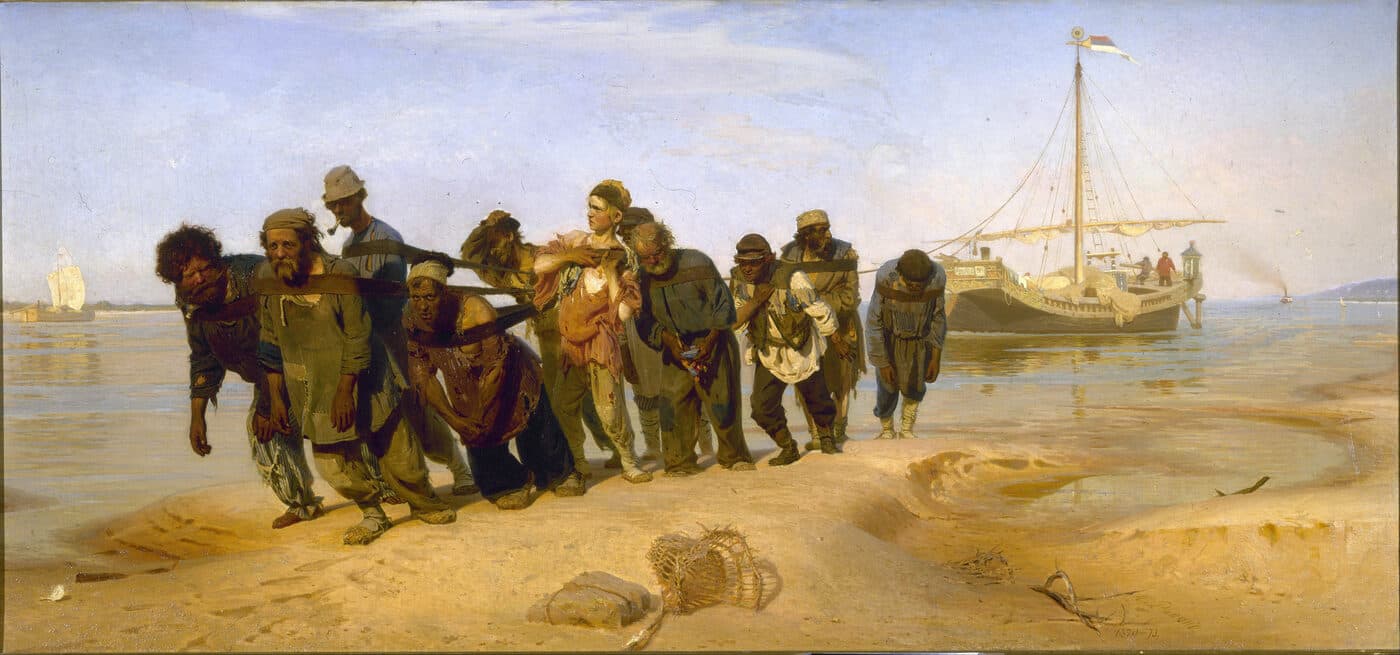
A worker accepts terms they cannot meaningfully refuse because rent and hunger arrive before bargaining power does. A caregiver is treated as naturally available because someone has to do the listening, the lifting, the waiting. Vulnerability is not consent. Need is not permission.
A person can also be made administratively useful: documented, sorted, recognized, or excluded according to what an institution needs them to be. Records and borders are not automatically wrong; the danger begins when survival or recognition becomes conditional on legibility to an order not answerable to the subject.


And a movement against domination can repeat domination when it begins treating people as expendable means for revolution, justice, peace, or revenge.
The shared question, narrower than any one of these cases, is whether a subject's standing is being displaced by what a system needs from them.
What this idea must never justify
A question this portable can become a weapon. The longer essay is careful about what its argument is not permitted to do, and the short version has to be as well.
The argument gives no one authority over anyone else's reproductive body. It does not support restricting abortion. It does not authorize forced birth, forced non-birth, population management, or state inspection of reproductive choice.
It is not about ranking lives. Disability is not evidence that a life is a mistake. Dependence is not degradation. Existing children are not mistakes, and they are not their parents' moral acquittal or indictment. Whoever exists is someone whose life matters for their own sake.
Where reproductive decisions are shaped by material dependence, family pressure, religion, gendered expectation, or restricted alternatives, the criticism belongs first with the structures narrowing choice, not with the person living inside them.
A community committed to this question is bound by it. It cannot shame parents, ostracize those whose decisions differ, or disguise discipline as concern.
The short version of the idea is bound by the same limit as the long one: it may offer a question; it may not use that question to make people available to its own certainty.
The question to keep
The systems around us rarely announce that they are making living beings into supply. They speak instead in the language of care, necessity, tradition, even justice. Sometimes those words name real goods. Sometimes they hide an assignment someone else is being asked to carry.
We cannot live without needing one another, and we should not want to. The question is whether the need stays answerable to the one who bears it, or whether a person or animal has been turned into the thing that keeps someone else's world standing.
Being needed is not the wrong. Being made for use is.
Who is being made to carry a world they did not choose?